Physiotherapy for Back Pain
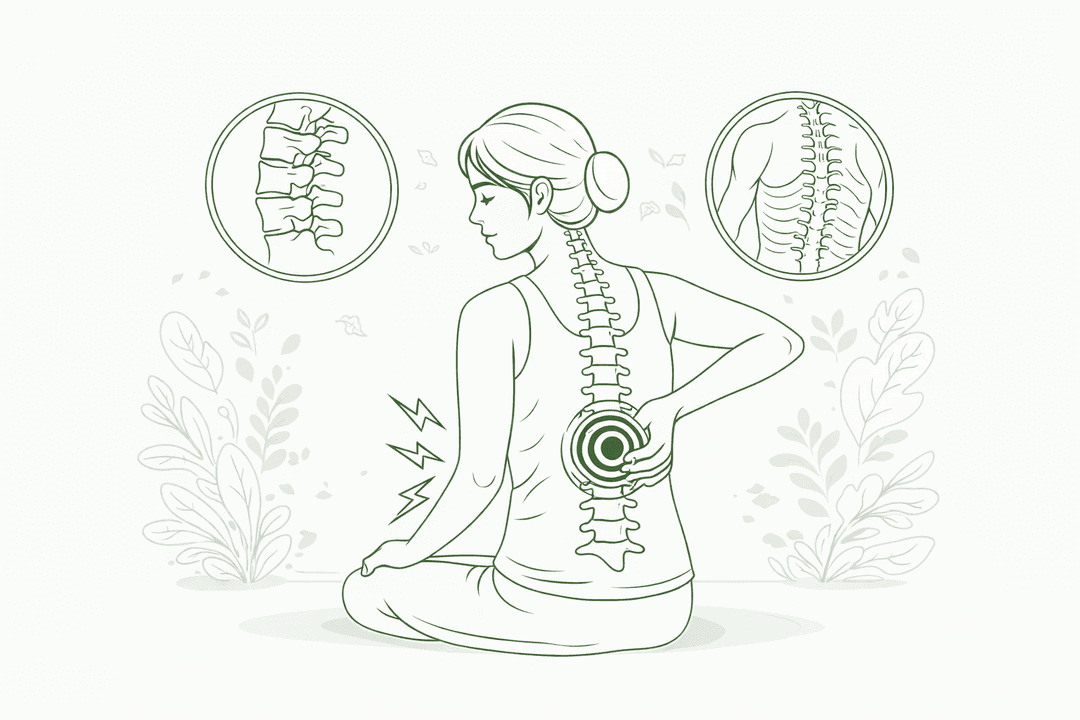
Understanding Back Pain
Lower back pain is one of the most common musculoskeletal conditions and can affect daily activities such as sitting, walking, bending, and sleeping. It may develop suddenly due to injury or gradually due to posture, repetitive strain, or age-related changes.
- Muscle strain or weakness
- Joint stiffness or reduced spinal mobility
- Poor posture or prolonged sitting
- Disc-related conditions
- Degenerative changes such as arthritis
- Reduced core strength and movement control
Physiotherapy focuses on understanding why your pain is occurring, not just where you feel it.
Our Physiotherapy Approach
Pain Relief & Symptom Management
Techniques to reduce pain and stiffness using adjunct modalities (dry needling / laser)
Gentle manual therapy to improve joint and soft tissue mobility
Advice on modifying activities to reduce aggravation
Movement & Postural Retraining
Assessment and correction of posture and movement patterns
Education on safe bending, lifting, and sitting positions
Ergonomic advice for work and daily activities
Strengthening & Stability
Core and spinal stabilisation exercises to support the lower back
Strengthening of hip and lower-limb muscles influencing spinal load
Gradual progression to restore confidence in movement
Flexibility & Mobility
Stretching programs to reduce muscle tightness
Exercises to improve spinal and hip mobility
Techniques to enhance overall movement efficiency
Conditions Commonly Treated
Education & Self-Management
- Clear explanations of your pain and recovery process
- Home exercise programs tailored to your needs
- Strategies to prevent recurrence and manage flare-ups
- Guidance to help you stay active safely
Evidence-Based Care
Studies consistently show that active physiotherapy management, including exercise therapy and patient education, is more effective than rest alone for both short- and long-term outcomes in lower back pain.
- Reduce pain
- Improve movement and strength
- Return to daily activities with confidence
- Prevent future episodes
Our Goal
To help you move better, feel stronger, and manage lower back pain with confidence and long-term results.