Pelvic Floor Physiotherapy for Women
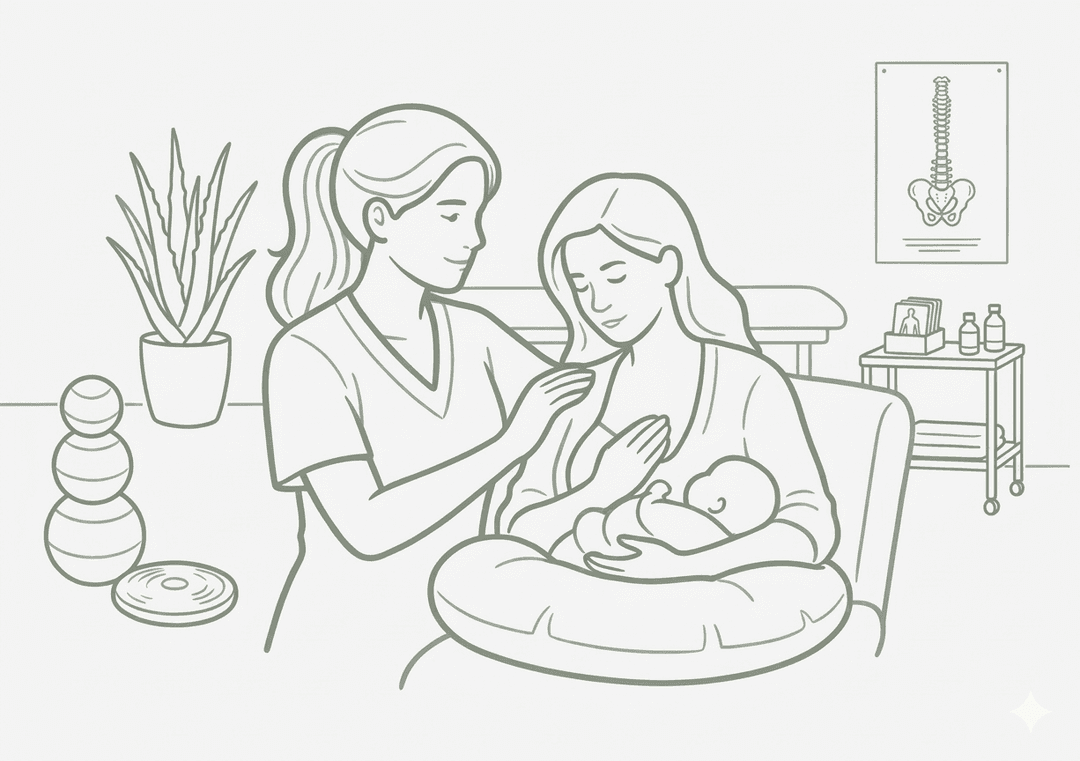
A woman’s body undergoes remarkable changes throughout life — from puberty and pregnancy to postpartum recovery and menopause. These shifts can influence pelvic floor function, and when symptoms arise, specialized support can make a profound difference in comfort, confidence, and quality of life.
Women’s pelvic health physiotherapists have advanced training in assessing and treating pelvic floor concerns and understand how physical, hormonal and emotional changes affect wellbeing.
Pelvic floor physiotherapy provides a safe, supportive and evidence-based approach for concerns such as pelvic pain, incontinence, prolapse symptoms, pregnancy-related discomfort, and postnatal recovery. Through thorough assessment, gentle treatment and personalized strategies, we aim to restore function, reduce symptoms, and empower you to feel more at ease in your body.
Common Female Continence Problems
Stress Incontinence
Leakage of urine when you run, laugh, cough or sneeze
Urge Incontinence
Leakage when you have a strong and sudden urge to go to the toilet, but don’t make it in time
Bowel Dysfunction
Problems with constipation or control of wind or faeces
Women’s Pelvic Floor Problems
Prolapse of pelvic organs
Including bladder, bowel or uterus
Pain in the pelvic, abdominal or vulva region
Pain with sexual intercourse
Pregnancy Related Pelvic Floor Problems
Antenatal Conditions
Pelvic girdle and low back pain
Postnatal Conditions
Pelvic floor weakness, neck, back or perineal pain
Mastitis, Blocked Ducts, Engorgement & Crakked Nipples
Breastfeeding can be a rewarding and deeply meaningful experience, but it doesn’t always come without challenges. Mastitis, blocked ducts and breast engorgement are common conditions that can make feeding painful, stressful and overwhelming — sometimes causing mothers to stop breastfeeding earlier than planned. With the right support and timely treatment, these issues can often be resolved quickly and effectively.
Our Women’s Health Physiotherapists are specially trained in therapeutic ultrasound and lactation-related physiotherapyto help relieve pain, reduce inflammation and restore comfortable feeding.
Mastitis
Mastitis is an inflammatory condition of the breast tissue and milk ducts. It occurs when pressure builds up inside the milk ducts — often due to incomplete drainage — causing milk to flow backwards into the surrounding breast tissue. Signs include pain, swelling, redness, sore nipples, fever, and fatigue.
Blocked Ducts & Engorgement
Milk ducts may become blocked when milk does not drain effectively, leading to tenderness or lumps. Engorgement occurs when the breasts become overly full, causing swelling, warmth, firmness or pain.
Crakked Nipples
Often caused by incorrect positioning or attachment of the baby. Breastfeeding with cracked nipples can be very painful and may lead to bleeding.
How Physiotherapy Helps
Physiotherapy provides safe, evidence-based treatments that effectively reduce pain, inflammation and swelling, while improving milk flow. Your care may include:
Therapeutic Ultrasound
A key treatment for mastitis and blocked ducts.
- Uses gentle sound waves to create micro-massage and heat
- Reduces inflammation, swelling and pain
- Helps loosen thickened milk and open blocked ducts
- Improves circulation to support tissue healing and milk drainage
Many women experience relief after just one session; 1–3 sessions are typically recommended.
Low level Laser Therapy
Peak benefit is usually felt 24 hours after treatment. Effective treatment for craked nipples.
- Use light energy to stimulate cellular repair
- Reduces inflammation and pain
- Particularly helpful for nipple trauma
- Painless and safe during breastfeeding
Gentle Lymphatic & Breast Massage
These techniques are safe, gentle and easy to use at home. We teach featherlight massage techniques to:
- Support lymphatic drainage
- Reduce swelling
- Encourage natural milk flow
- Ease discomfort
We work collaboratively with your lactation consultant and GP to ensure complete, coordinated care.
What You Can Do At Home
If mastitis is suspected, early self-care can help:
- Feed on demand if comfortable
- Offer the affected breast first to encourage drainage
- Re-latch your baby if feeding becomes painful
- Apply gentle warmth before feeding
- Apply cold packs after feeding to reduce swelling
- Use featherlight massage toward the armpit
- Rest as much as possible for 4–5 days
- Avoid tight bras, tops or underwire
If symptoms worsen or fail to improve within 24 hours, seek physiotherapy or medical support promptly.
Frequently Asked Questions
Can I still feed from the affected breast?
Yes — breastfeeding is generally safe and helpful, as long as it is not excessively painful. Many mothers find feeding becomes more comfortable after ultrasound treatment.
Should I express between feeds?
Extra expressing is not always recommended. If you do express, keep it gentle and stop as soon as pressure eases.
Can I bring my baby with me to my laser or ultrasound appointment?
We understand that often you will need to bring your baby along, especially if they may be due a feed before or after your appointment, and this is absolutely fine.
Please note, however, that for Laser treatment, due to laser safety protocols, the patient and the therapist wear safety glasses and everyone else (including babies) need to stay outside the room. Please consider bringing a friend or family member to stay with the baby in the waiting area.
How long does a laser or ultrasound appointment take?
The length of the appointment depends on the area of the breast or nipple that’s been affected. Small areas of nipple damage may take around 10 minutes or less of laser treatment time, while large areas affected by mastitis may take closer to 30 minutes.
We priorities mastitis and lactation concerns and will work to find you an appointment urgently. Please call us and leave a message mentioning your breastfeeding concern at 0497902970 or email us at _________and we will get back to you shortly.
If you need assistance after hours, we offer an emergency after-hours, home visit and weekend service (please note this has an additional 10% surcharge)